
Our Blog
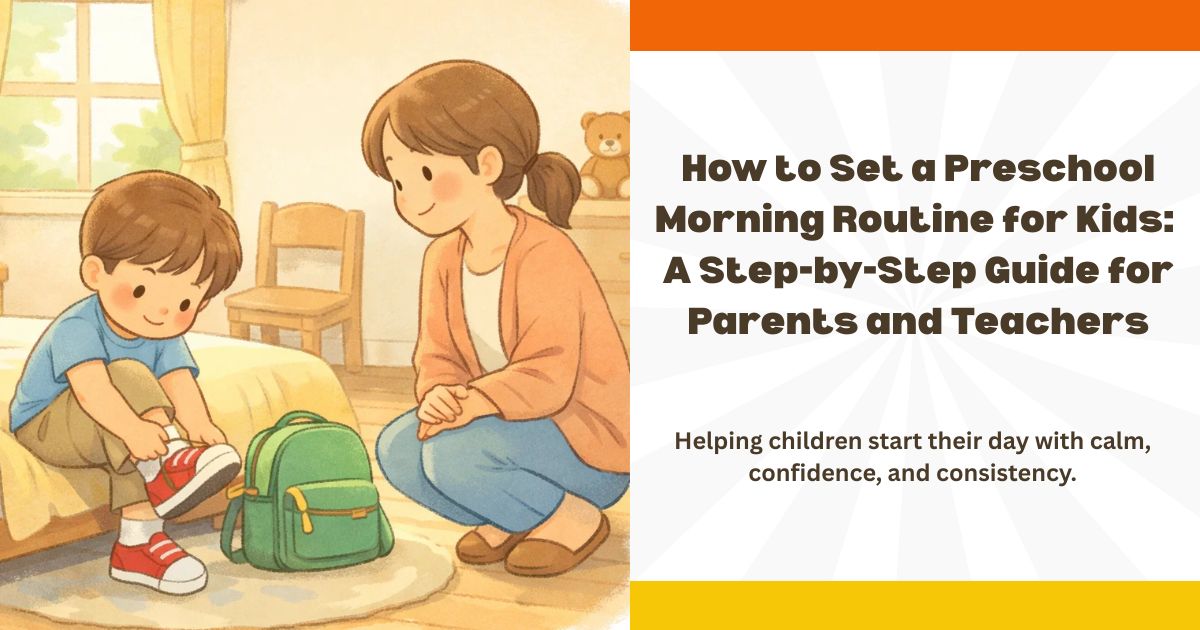
How to Set a Preschool Morning Routine for Kids: A Step-by-Step Guide for Parents and Teachers
Mornings are very important for preschool children. For kids between 2 and 7 years old, the way the day starts can affect their mood, behavior, and learning. Many parents notice that when mornings are rushed or confusing, children may cry, refuse to cooperate, or feel upset. But when mornings are calm and familiar, children feel more relaxed and happy.
A good preschool morning routine helps children feel safe and confident. It helps them understand what will happen next, which reduces stress. For parents and teachers, a routine also makes mornings smoother and less tiring. This guide explains simple and practical steps to create a healthy morning routine for kids that supports emotional readiness and learning.
🧩 What Is a Preschool Morning Routine?
A preschool morning routine is a set of simple activities that a child follows every morning. These activities may include waking up, getting ready, eating breakfast, and going to school calmly.
A routine is not the same as a strict schedule. It gives structure while still allowing flexibility. For example, when a child knows that brushing teeth comes after breakfast, they feel more secure—even if the timing changes slightly. This flexibility is helpful because young children are still learning self-control and independence.
💛 Why Morning Routines Matter for Preschoolers
Emotional Safety and Less Anxiety
Preschool children feel safe when they know what to expect. Repeating the same morning routine helps reduce fear and confusion. In preschool classrooms, teachers often see that children with regular routines at home separate more easily from parents and settle faster.
Better Focus and Readiness to Learn
A calm morning helps children reach school in a relaxed state of mind. When mornings are stressful, children may carry that stress into the classroom, making it harder for them to focus and participate.
Independence and Confidence
Daily routines allow children to do small tasks on their own, such as choosing clothes or washing hands. With regular practice, children slowly feel proud of themselves, which builds confidence and independence.
🪜 Step-by-Step Guide to Setting a Preschool Morning Routine
Step 1: Keep a Regular Wake-Up Time
Young children feel better when they wake up at the same time each day. A regular wake-up time helps the body adjust naturally, making mornings easier.
Many parents notice that children become cranky when wake-up times change often. Waking up at the same time, even on most weekends, helps children feel fresh and cooperative.
Step 2: Start the Day Calmly
The first few minutes after waking up are very important. Speaking gently, using soft light, and greeting the child with warmth can create a positive start.
In daily life, this may mean sitting next to your child, giving a hug, or briefly talking about the day. Children feel more comfortable when mornings are calm and not rushed.
Step 3: Follow Simple Personal Care Habits
Personal care activities like brushing teeth, washing hands, or using the toilet are important parts of a daily routine for preschool children. These simple actions also play a key role in building good habits in children, which support discipline and independence from an early age.
Teachers often notice that children who practice these habits at home feel more confident at school. At this age, gentle reminders work better than strict instructions.
Step 4: Offer a Calm and Healthy Breakfast
Breakfast gives children energy and helps them feel stable. However, many parents worry too much about how much their child eats.
Offering familiar and healthy food without pressure helps children eat more comfortably. Over time, children learn to eat at their own pace.
Step 5: Get Ready for School Without Stress
Getting dressed and packing bags can feel stressful if rushed. Giving limited choices, like choosing between two outfits, helps children feel involved without confusion.
Many parents find that preparing clothes and school bags the night before makes mornings much easier.
Step 6: Make the School Transition Positive
Going from home to school is an emotional moment for preschool children. A short and familiar goodbye routine helps them feel safe.
Teachers often notice that children settle faster when goodbyes are simple and confident, such as a hug, a smile, and clear reassurance that the parent will return.
👨👩👧 Tips for Parents Based on Real Experience
Handling Slow or Difficult Mornings
Slow mornings are common for preschoolers. Many parents notice resistance when children are tired or adjusting to change. Staying calm and allowing extra time helps reduce stress.
Keep Expectations Realistic
Preschool children are still learning. Expecting too much independence too soon can lead to frustration. Small steps work best.
Be Consistent, Not Perfect
Consistency is more important than doing everything perfectly. If one morning goes badly, returning to the routine the next day helps children feel balanced again.
👩🏫 How Teachers Can Support Morning Routines in Preschool
Arrival-Time Classroom Routines
Simple arrival routines help children feel safe. Greeting each child and starting the day with quiet activities supports a smooth transition.
Helping Children Feel Calm
Some children need extra comfort. Calm words and familiar classroom activities help them feel ready to learn.
Parent-Teacher Communication
When parents and teachers share information about a child’s morning routine, it creates continuity. This supports the preschool routine for parents and teachers and helps the child feel secure.
⚠️ Common Mistakes to Avoid
Rushing Children
Hurrying children often makes things worse. Calm and steady routines work better.
Too Many Activities
Adding too many steps can confuse children. Simple routines are easier to follow.
Changing the Routine Often
Frequent changes can make children feel unsure. Stability helps routines become comforting.
⏳ How Long Does It Take for a Routine to Work?
Most preschool children need time to adjust. In real-life settings, routines usually start feeling natural after 2 to 4 weeks.
Signs that a routine is working include:
- Less resistance in the morning
- Better mood and cooperation
- More independence in small tasks
Progress is slow and natural, and small setbacks are normal.
🌱 Conclusion
A preschool morning routine is not about having perfect mornings. It is about creating emotional safety, consistency, and readiness for learning. With patience and simple steps, routines become comforting rather than stressful.
When parents and teachers work together and focus on steady progress, children grow emotionally and academically. Over time, a calm and predictable morning routine helps children become confident, independent, and ready for the day ahead.
🌟 Supporting Children Beyond the Morning Routine
If you are exploring a supportive preschool environment that helps children develop calm morning habits, emotional confidence, and consistent daily routines, Shishubharti Gurukulam offers a child-friendly learning space designed around these needs. Parents who require extended care options can also learn more about the day boarding program, which focuses on structured activities, guided learning, and a safe daily schedule. For any questions, school visits, or admission-related guidance, feel free to contact us to understand how the school supports children throughout their day.
Frequently Asked Questions
1. What is a good preschool morning routine for kids?
Ans: A good preschool morning routine includes waking up on time, basic personal care, a healthy breakfast, and a calm transition to school.
2. Why is a morning routine important for preschool children?
Ans: A morning routine helps children feel safe, reduces anxiety, and prepares them emotionally and mentally for learning.
3. How long does it take for a preschool morning routine to work?
Ans: Most preschool children start adjusting to a routine within 2 to 4 weeks with regular and consistent practice.
4. How can parents make mornings less stressful for kids?
Ans: Parents can reduce stress by keeping mornings calm, avoiding rushing, and following a predictable routine every day.
5. How can teachers support morning routines in preschool?
Ans: Teachers can support morning routines by maintaining predictable arrival activities and staying in regular communication with parents.